Read the Habitat Before the List
It is tempting to plan a trip around a list of target species. A more reliable approach is to plan around habitat. Birds are where their food, shelter and safety overlap, and those overlaps are visible if you slow down: a line of alders along a stream, a fringe of reeds around open water, a tide falling back across mud.
When you arrive somewhere new, spend your first quarter of an hour mapping it rather than birding it. Where does the wind drop? Where does sunlight reach first on a cold morning? Where do insects hang in the air? These are the places birds will use, and they are often where you should stand quietly and wait.
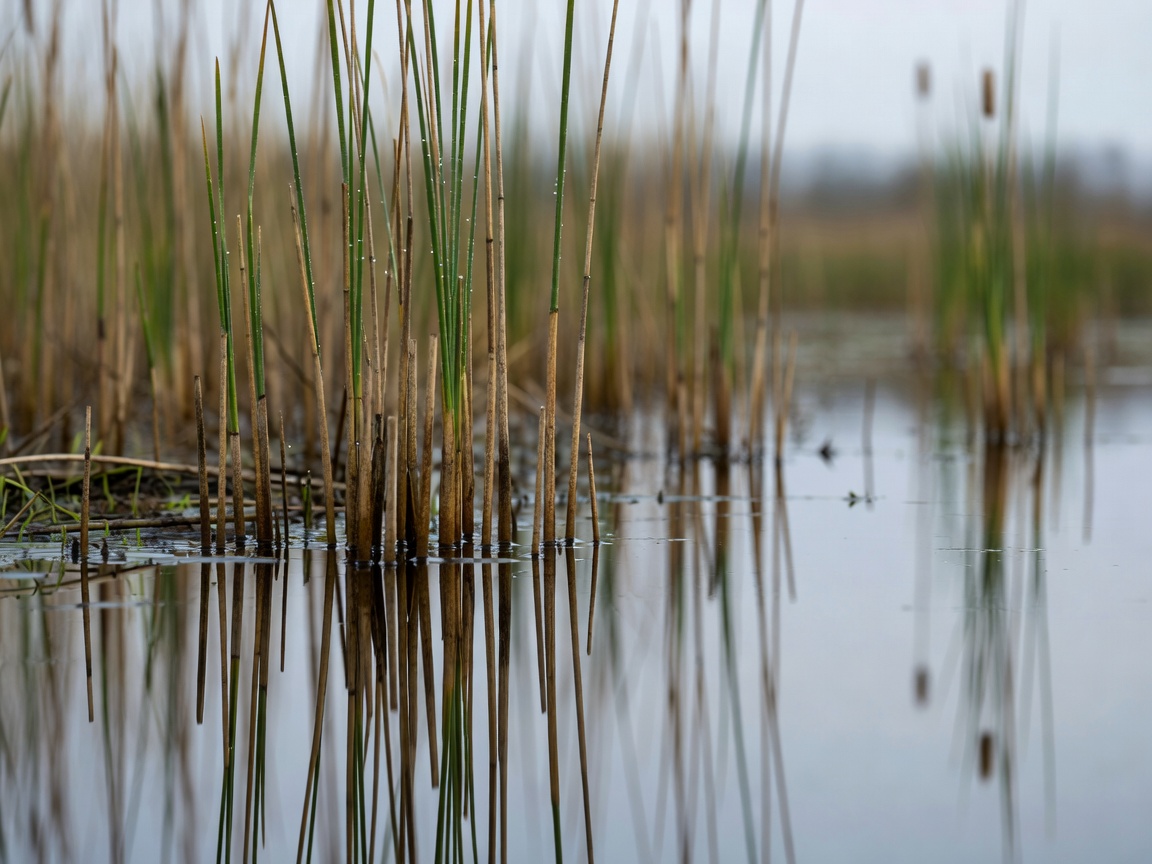
Wetlands, Deltas and Estuaries
Wetlands are the most generous habitats for new birders because birds are often in the open. Start with the tide or water level: waders feed as mud is exposed and roost in tight flocks at high water. Arriving an hour before high tide gives you birds pushed close and concentrated.
- Doñana, SpainMarshes, pine woods and dunes in the Guadalquivir delta; spring brings herons, flamingos and passage migrants.
- The Camargue, FranceRhône delta lagoons famous for Greater Flamingos and calm, scanning-friendly views.
- The Wadden SeaA UNESCO World Heritage tidal system shared by the Netherlands, Germany and Denmark, vital for waders.
- The Danube Delta, RomaniaReed labyrinths with pelicans, terns and warblers best explored slowly by small boat.
Forests and Their Edges
Forests test patience. Birds move through layers you cannot see, so sound does most of the work. Rather than walking constantly, find a clearing, a stream crossing or a fruiting tree, and let mixed feeding flocks pass you. In temperate woods these flocks often gather around tits; in tropical forest they may include dozens of species moving together.
- Białowieża Forest, Poland and BelarusOld-growth lowland forest where woodpeckers are a highlight for careful listeners.
- Manu region, PeruAn elevation gradient from Andean slopes into Amazon lowland supporting remarkable diversity.
- Monteverde, Costa RicaCloud forest where hummingbirds and quetzals reward slow trail walking.
Edges, where forest meets meadow or track, are usually more productive than deep interior for beginners. Light reaches the ground, insects rise, and birds come briefly into view.
Grasslands, Steppe and Coasts
Open country looks empty until you scan it. Use the horizon: perched raptors, displaying larks and distant bustards appear first as shapes. A telescope helps here more than anywhere else, but so does staying in your vehicle or behind cover, which disturbs ground-nesting birds far less.
Hortobágy National Park in Hungary and the plains of Extremadura in Spain are classic European steppe landscapes. On rocky coasts, seabird colonies such as the Farne Islands in England offer close views under strict wardening, which is exactly why they work: rules keep visitors predictable and birds calm.
Migration Bottlenecks
Large soaring birds avoid long sea crossings, so they gather where land narrows. These bottlenecks can deliver extraordinary numbers on the right day and very little on the wrong one, so watch the weather and be prepared to wait.
- Falsterbo, SwedenA southern peninsula where autumn passage is counted each year.
- Strait of GibraltarStorks and raptors cross between Europe and Africa at the narrowest point.
- Eilat, IsraelSpring passage of raptors between Africa and Eurasia.
- Veracruz, MexicoThe “River of Raptors”, where autumn counts regularly run into the millions.
- Cape May and Point Pelee, North AmericaCoastal and lakeshore points where songbirds concentrate after night flights.
At crowded hotspots
Stay on paths, keep voices low and never push towards a tired migrant to get a better angle. A grounded bird after a sea crossing may be close to exhaustion.
Plan a Rewarding Day
Arrive early, choose one or two edges and give each at least half an hour. Record what you see and hear, including the common birds, because those notes reveal patterns over seasons. Check local reserve rules and access times before you travel, and consider contributing sightings to recording schemes such as eBird or national atlas projects.
Success is not a rare bird. It is leaving with a clearer understanding of how one place works.
Continue to Identification