Start With the Whole Bird
New birders often fix on the brightest colour patch and jump straight to the field guide. Experienced observers do the opposite. They take in overall size compared with a familiar bird, posture, proportions and movement before looking at any detail. This “general impression of size and shape”, often shortened to jizz, is surprisingly reliable because it does not change with light or moult.
Use reference birds you know well. Is it sparrow-sized, blackbird-sized, pigeon-sized or crow-sized? Is the tail long or short relative to the body? Does it sit upright like a flycatcher or horizontally like a warbler? Write these down first. They are your foundation.
Six Clues, In Order
1. Behaviour and movement
Tail-pumping, wing-flicking, hovering, creeping up trunks or bobbing at the water’s edge often narrow a bird to a family before you have seen a single feather clearly.
2. Sound
Describe rhythm, pitch and quality in your own words. Song is often diagnostic among similar-looking species, such as Chiffchaff and Willow Warbler in Europe.
3. Bill shape
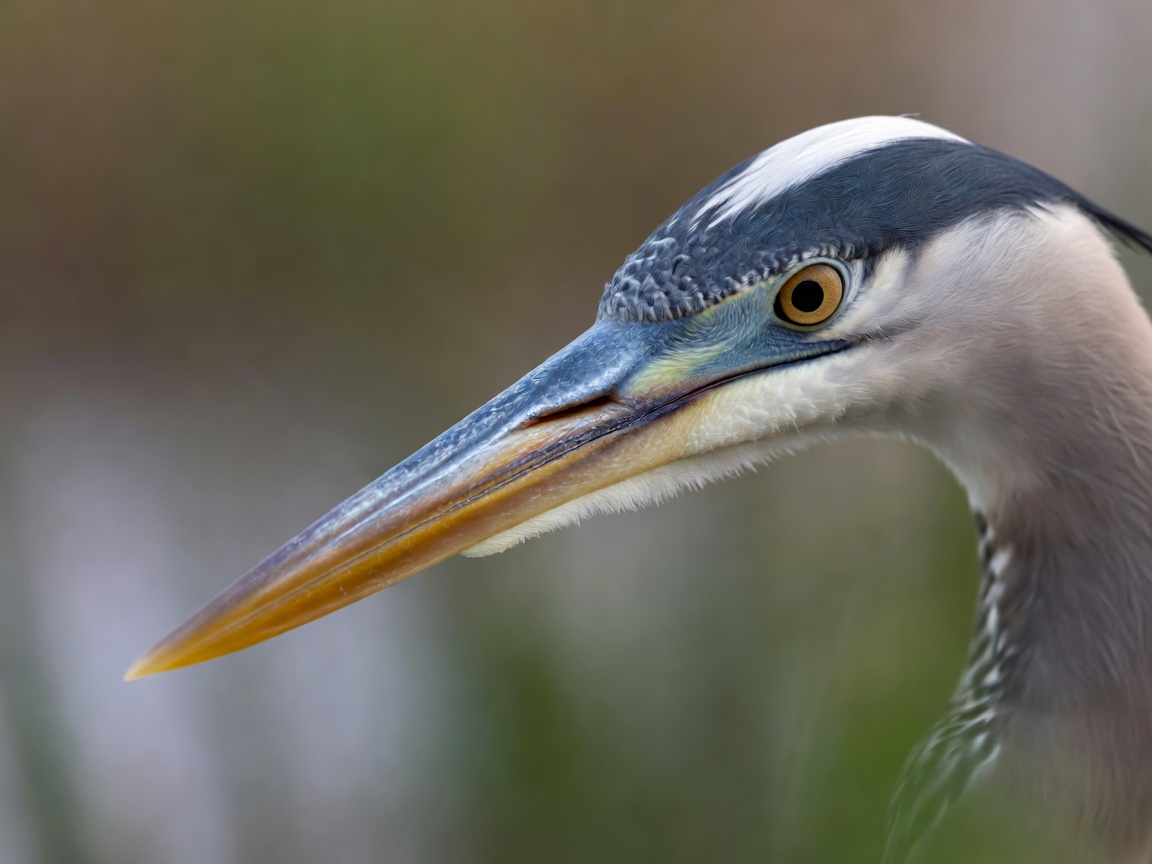
Bills reveal diet. Length relative to head, thickness at the base and curvature are all worth noting, and they remain visible in poor light.
4. Structure
Wing length and how far the primary feathers project beyond the tertials can separate close relatives. This takes practice, so start with large, slow birds.
5. Plumage marks
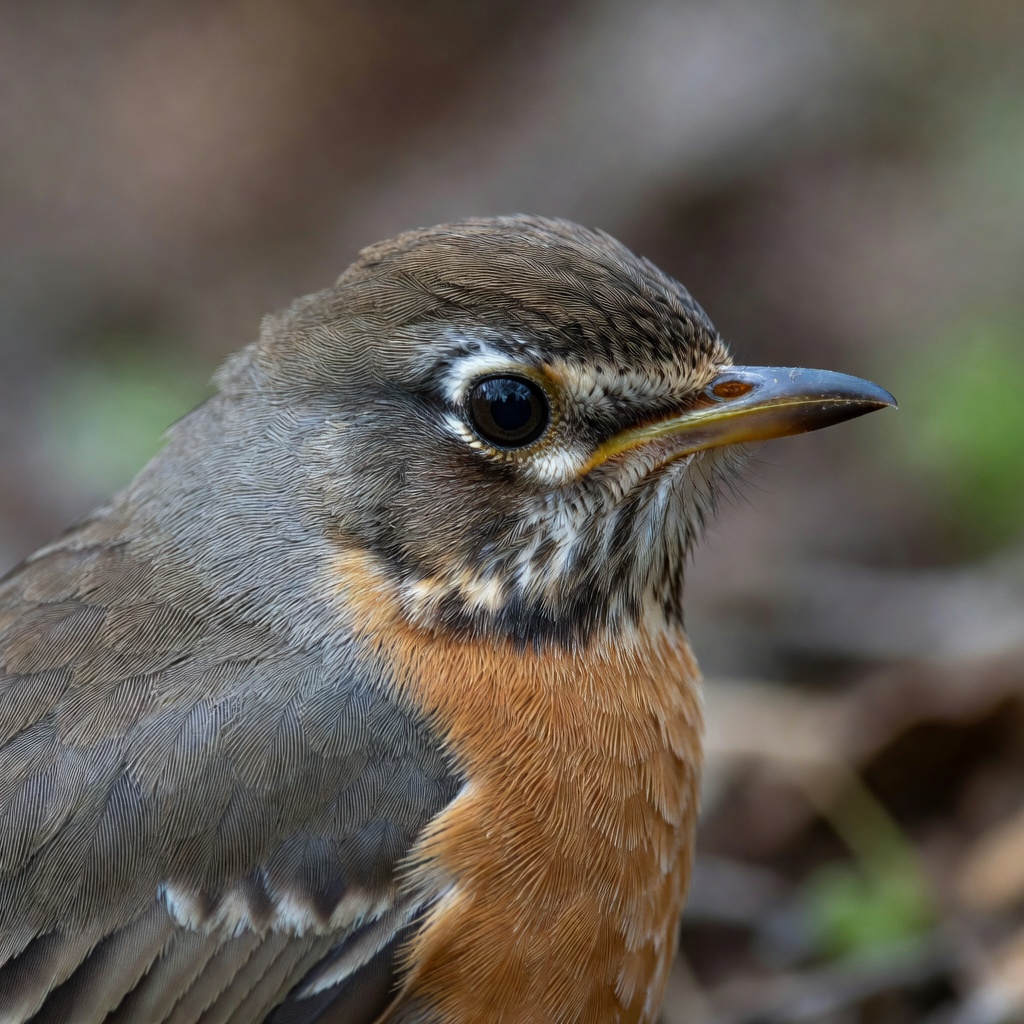
Wing bars, eye rings, supercilium (the stripe above the eye) and tail edges are the classic field marks. Note what is absent as well as what is present.
6. Habitat, range and season
These shift probabilities rather than prove anything. Unusual combinations call for more notes, not a quicker conclusion.
Clues Versus Conclusions
A helpful habit is to rate each identification honestly. Many recording schemes use similar language, and it protects both you and the data you submit.
- PossibleSeveral clues fit, but you saw it briefly or alternatives remain open.
- ProbableMost clues fit and the main confusion species have been considered.
- ConfirmedDiagnostic features were seen or heard clearly, ideally recorded in notes, sound or photographs.
There is no shame in “unidentified warbler”. It is an accurate record, and it is far more useful than a confident mistake.
Using Guides and Apps Well
A printed field guide trains your eye because it groups similar species on one plate. The Collins Bird Guide by Lars Svensson and colleagues remains the European standard, and The Sibley Guide to Birds is a favourite across North America. Read the text, not just the pictures; the most useful lines often describe behaviour and call.
Apps such as Merlin Bird ID from the Cornell Lab of Ornithology can suggest candidates from a photo or sound recording. Treat those suggestions as a starting clue. Check them against the bird in front of you, its habitat and the season, and listen to reference recordings before accepting a name.
Finally, sketch. Even a crude outline with arrows to features forces you to look at parts you would otherwise skip.
Practise on Common Birds
The fastest route to recognising a rarity is knowing the common species so well that something different stands out. Spend a month watching the birds of one local patch. Learn every call of the most familiar species, how juveniles differ from adults and how plumage wears through the year.
A note on playback
Playing recorded calls to attract a bird can stress it and pull it away from feeding or nesting. Use recordings to learn, through headphones, not to lure birds into view.